
Buying a hand tool kit is not just about getting as many tools as possible for your money. The right kit should help you handle everyday repairs, workshop tasks, and maintenance work without constantly searching for missing tools.
However, choosing the wrong set can leave you with tools you rarely use and without the accessories you actually need. Before investing in a new kit, it is worth knowing what to look for and which common mistakes to avoid.
Whether you are setting up a workshop or upgrading your existing equipment, this guide will help you choose a hand tool kit that suits your requirements.
1. Choosing a Hand Tool Kit Based Only on Piece Count
A kit containing more pieces may look like a better deal, but quantity does not always mean value. Some sets include several similar accessories while missing essential tools for everyday work.
For example, a mechanic may need a variety of socket sizes and a reliable ratchet more than dozens of accessories that rarely get used.
What to do instead: Check the contents before purchasing. Look at the types of tools included, the range of socket sizes, and whether the kit covers your regular repair and maintenance tasks.
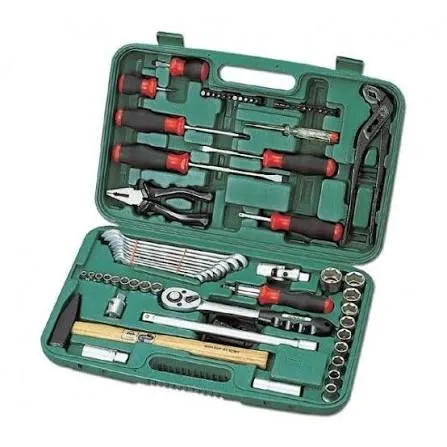
A well-organised 73-piece kit can be a practical choice when its contents match your needs.
2. Ignoring Material Quality
Tools experience repeated pressure and friction, especially in busy workshops. Poor-quality tools may wear out quickly, lose their fit, or become difficult to use.
This is why material quality should be an important consideration when comparing professional hand tools.
What to do instead: Check the manufacturer’s material specifications, construction quality, and intended applications. Look for tools designed for the type of work you perform rather than choosing solely by appearance or price.
A reliable kit should offer practical usability and durability for its intended purpose.
3. Buying a Kit That Does Not Suit Your Work
Not every tool kit is designed for the same jobs. A general-purpose set may be suitable for everyday maintenance, while automotive repairs often require a wider selection of sockets and accessories.
Choosing a kit without considering your work can lead to unnecessary spending.
What to do instead: Think about the equipment you maintain, the fasteners you encounter, and how frequently you use your tools. If you regularly work on vehicles or machinery, a suitable mechanic tool kit with useful socket combinations and ratchet handles can make routine jobs more convenient.
The goal is to choose tools that support your actual work, not simply to collect more equipment.
4. Overlooking Socket Drive Sizes and Compatibility
Socket compatibility is easy to overlook when buying a new kit. However, the drive size determines which ratchet or compatible accessory can be used with a socket.
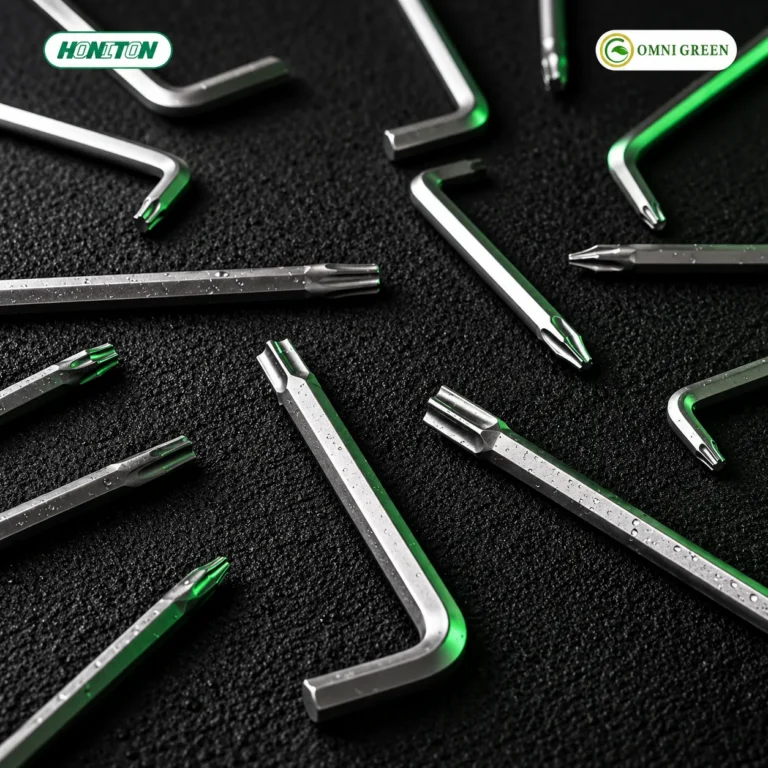
The Honiton 73pcs Tool Kit of 1/2 and 1/4 Sq Dr, available through Omni Green Solutions, features two square-drive sizes: 1/2-inch and 1/4-inch. These sizes offer flexibility for different fastening tasks, provided the individual tools and sockets are suitable for the application.
What to do instead: Check the drive sizes, socket range, and included accessories before purchasing. Make sure the kit meets your requirements and is compatible with any tools you already own.
Never assume that every socket is suitable for use with an impact wrench. Use only sockets specifically rated for impact applications.
5. Forgetting About Organisation and Long-Term Value
A tool kit is only useful when you can find the right tool quickly. Poor storage can lead to misplaced accessories, cluttered workspaces, and unnecessary delays.
Price alone is also a poor measure of value. A kit that suits your work, keeps its contents organised, and offers the tools you need may be a better investment than a cheaper set with limited practical use.
What to do instead: Consider the storage case, tool arrangement, ease of identifying socket sizes, and the manufacturer’s care recommendations. After use, clean your tools and return them to their designated places.
Good organisation helps protect your investment and keeps your workspace ready for the next job.
How to Choose the Best Hand Tool Kit for Your Needs
A useful hand tool kit buying guide comes down to five basic checks:
- Purpose: Choose a kit suited to your repair and maintenance tasks.
- Quality: Check materials and construction.
- Tool selection: Make sure the included pieces are genuinely useful.
- Compatibility: Verify socket drive sizes and applications.
- Organisation: Look for practical storage that keeps tools accessible.
The best hand tool kit is not necessarily the biggest or the cheapest. It is the one that provides the right combination of tools for your everyday requirements.
For professionals, technicians, and workshop owners looking for a versatile socket-based tool kit, the Honiton 73-piece Tool Kit with 1/2-inch and 1/4-inch square drives is available from Omni Green Solutions. Check the product specifications and included components to determine whether it is the right fit for your work.
Choose thoughtfully, prioritise quality, and invest in a kit that makes everyday tasks easier.