
A chainsaw chain may look like a small part of the machine, but it plays a major role in cutting performance. Whether you’re cutting firewood, clearing vegetation, or working in forestry, a chain that wears out too quickly can slow down your work and increase maintenance costs.
The good news is that premature wear is often preventable. Simple habits, such as checking chain tension, maintaining proper lubrication, and sharpening the cutters correctly, can make a real difference.
If you want to improve chainsaw chain life, start by avoiding these seven common mistakes.
1. Ignoring Proper Chain Lubrication
A chainsaw chain moves rapidly around the guide bar, creating friction throughout the cutting process. Without sufficient lubrication, heat builds up and increases wear on the chain, guide bar, and drive sprocket.
Skipping an oil check before starting work might seem harmless, but repeated neglect can lead to expensive repairs.
How to avoid it: Check the chain oil level before each use and make sure the automatic lubrication system is working. Use the bar and chain oil recommended by the manufacturer. Proper lubrication helps reduce friction and supports smoother cutting.
2. Continuing to Use a Dull Chain
A sharp chain cuts through wood efficiently. A dull one requires more effort and may produce fine sawdust instead of clean wood chips.
Applying extra pressure won’t solve the problem. It can increase the strain on the chainsaw and make the work more tiring.
How to avoid it: Sharpen the chain when cutting performance begins to decline. Use the correct file size and sharpening angles, and maintain the depth gauges according to the manufacturer’s instructions.
Regular sharpening is an essential part of chainsaw chain maintenance and helps preserve the chain’s useful life.
3. Setting the Chain Tension Incorrectly
Both loose and overly tight chains can cause problems. A loose chain may come off the guide bar, creating a safety hazard and potentially damaging the equipment. An excessively tight chain increases friction and places unnecessary strain on the cutting system.
How to avoid it: Check the chain tension before use and during longer work sessions. Follow your chainsaw manufacturer’s instructions for adjustment. Always switch off the machine and follow the specified safety precautions before checking or adjusting the chain.
Correct tension helps reduce unnecessary wear and keeps the chain operating as intended.
4. Allowing the Chain to Touch the Ground
This is a common mistake when cutting logs that are lying directly on the ground.
Soil, sand, and small stones can quickly dull the cutting teeth. Even a brief contact with abrasive material can affect cutting performance, especially when the chain is otherwise sharp and well maintained.
How to avoid it: Raise logs off the ground whenever possible. Keep the chain away from soil and stones, and inspect the wood for embedded metal before cutting.
These small precautions can reduce premature chainsaw chain wear and save time on repeated sharpening.
5. Sharpening the Chain Incorrectly
Sharpening is necessary, but doing it incorrectly can shorten the chain’s service life. Using the wrong file size, inconsistent sharpening angles, or excessive filing can leave the cutters uneven.
Incorrect depth-gauge settings can also affect cutting performance.
How to avoid it: Use a suitable sharpening file and guide. Maintain consistent cutter angles and check the depth gauges according to the manufacturer’s recommendations. If you’re unsure about the correct technique, consult a trained service professional.
Good sharpening habits help maintain cutting efficiency without removing unnecessary material from the chain.
6. Forcing the Chainsaw Through Wood
When a chainsaw struggles to cut, pushing harder may seem like the quickest solution. In reality, it often indicates that something needs attention.
The chain may be dull, lubrication may be insufficient, or tension may be incorrect. Continuing to force the saw can place additional stress on its components.
How to avoid it: Let the chain do the cutting. If performance drops, stop and inspect the chain, guide bar, tension, and lubrication rather than applying excessive pressure.
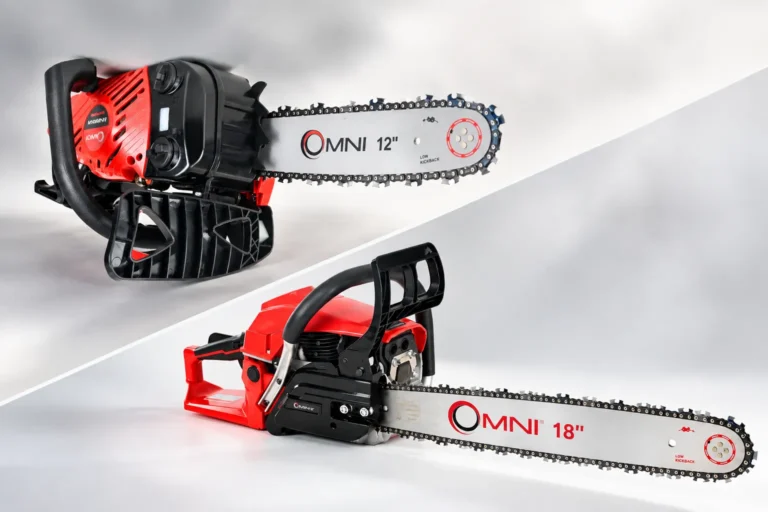
Whether you use an OMNI chainsaw or another compatible machine, paying attention to cutting performance can help you identify problems before they become more serious.
7. Neglecting Cleaning and Storage
Sawdust, resin, dirt, and oil residue can accumulate around the chain and guide bar. If left unattended, this buildup may interfere with lubrication and contribute to premature wear. Moisture can also cause rust during storage.
How to avoid it: Clean the chainsaw after use, remove debris from the guide bar groove and oil passages, and inspect the chain for damage. Store the equipment in a clean, dry place with the guide bar cover fitted.
A few minutes of cleaning after every job can help protect your equipment between uses.
How to Extend Chainsaw Chain Life With Regular Maintenance
If you’re wondering how to extend chainsaw chain life, the answer lies in consistency. Keep the chain lubricated, maintain the correct tension, sharpen it when necessary, and avoid cutting into the ground.
Before starting work, inspect the chain and guide bar. During operation, watch for unusual vibration, reduced cutting efficiency, or other signs of trouble. After finishing, clean the equipment and address any problems before the next job.
Remember that even a well-maintained chain has a limited service life. Replace it if it is cracked, damaged, excessively worn, or has reached the manufacturer’s wear limits.
Choosing a suitable replacement chain matters, too. OMNI saw chains in 18-inch and 22-inch options are available through Omni Green Solutions. Before purchasing, check the chain’s pitch, gauge, drive-link count, and compatibility with your guide bar and chainsaw model.
Ultimately, extending chainsaw chain life doesn’t require complicated maintenance. A little attention before and after each job can help reduce premature wear, maintain cutting performance, and get more value from your equipment.
Explore the OMNI saw chain range available through Omni Green Solutions to find a suitable option for your equipment and cutting requirements.