
Despite advances in engine technology, many misconceptions about engine oil continue to circulate among equipment owners and operators. These myths often influence maintenance decisions, sometimes leading to reduced performance, higher operating costs, and avoidable engine wear.
Whether it’s a chainsaw running on 2T oil or a generator powered by a 4T engine, understanding how engine oil actually works is essential for maximizing equipment life. Having worked closely with users of Motoyama 2T Oil, Motoyama 4T Oil, and Oregon 2T Oil, the team at Omni Green Solutions frequently encounters questions that stem from outdated advice and common misunderstandings.
Let’s examine some of the most widespread engine oil myths and uncover the facts behind them.
Myth 1: All Engine Oils Are the Same
One of the most common misconceptions is that any oil will work in any engine.
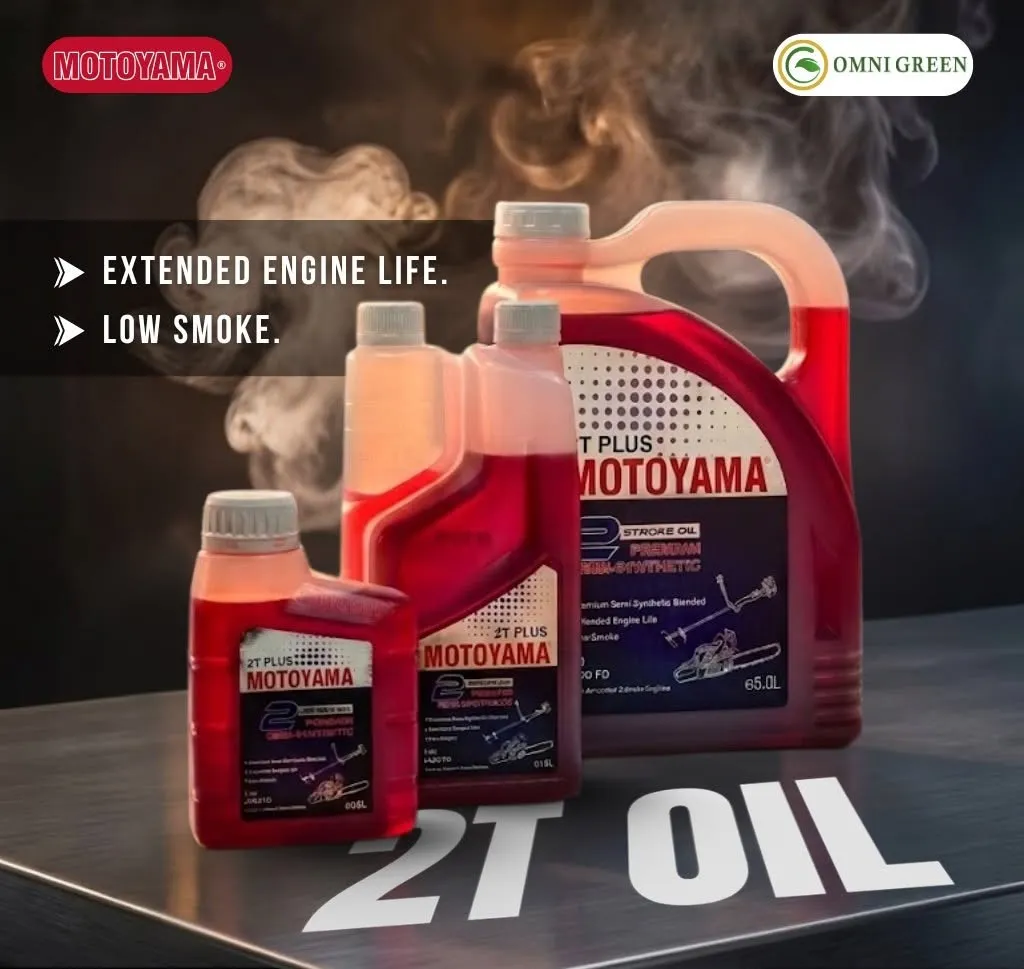
The reality is that different engines have different lubrication requirements. Two-stroke engines require specially formulated 2T oils that mix with fuel, while four-stroke engines require dedicated 4T oils that circulate independently within the engine.
Using the wrong oil can reduce performance, increase wear, and shorten engine life.
Myth 2: Thicker Oil Always Provides Better Protection
Many people assume that thicker oil offers superior protection.
In reality, engine manufacturers specify oil grades for a reason. Oil that is too thick may not flow properly through engine components, while oil that is too thin may not provide adequate protection.
The key is using the right oil for your equipment and operating conditions—not simply choosing the thickest option available.
Myth 3: Cheap Oil Saves Money
At first glance, lower-priced oils may seem like a cost-effective choice.
However, poor-quality oils can lead to increased carbon deposits, reduced lubrication, excessive engine wear, and more frequent maintenance requirements.
Investing in quality products such as Motoyama 2T Oil, Motoyama 4T Oil, or Oregon 2T Oil helps protect your equipment and can reduce long-term operating costs.
Myth 4: Engine Oil Never Expires
Many users believe unused oil lasts forever.
While engine oils have a relatively long shelf life, prolonged storage under poor conditions can affect their effectiveness. Exposure to moisture, extreme temperatures, or contamination may reduce performance.
Always store engine oil in sealed containers and follow manufacturer recommendations.
Myth 5: Dark Oil Means Bad Oil
It is normal for engine oil to darken during use.
In many cases, darkening indicates that the oil is performing its job by collecting contaminants and combustion by-products.
Rather than judging oil by its color alone, follow recommended service intervals and maintenance schedules.
Myth 6: More Oil Means Better Protection
Overfilling an engine can be just as harmful as running it with insufficient oil.
Excess oil may create pressure issues, increase operating temperatures, and potentially damage seals and internal components.
Always maintain the oil level recommended by the equipment manufacturer.
Myth 7: Two-Stroke Engines Can Use Any Oil
Two-stroke engines require specially formulated lubricants.
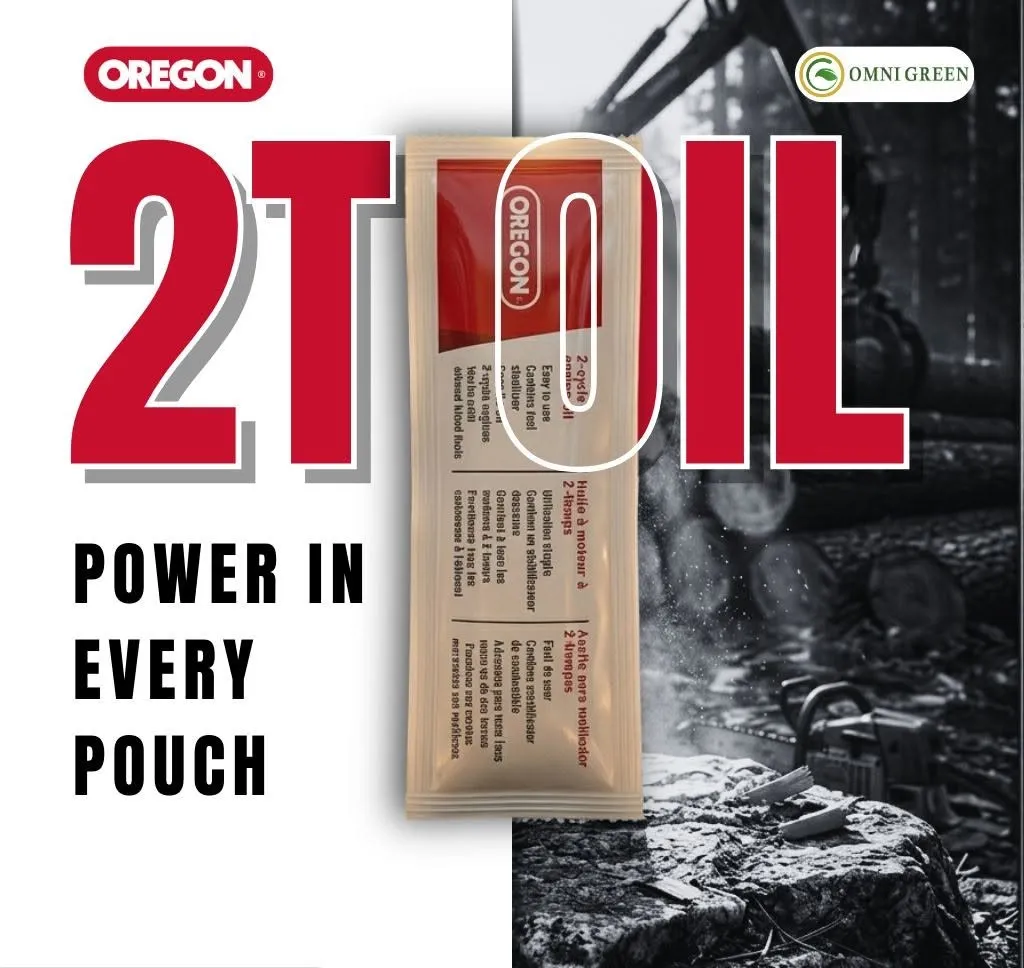
Products like Motoyama 2T Oil and Oregon 2T Oil are designed to mix with fuel and burn efficiently while protecting pistons, bearings, and cylinders.
Using unsuitable oil can increase smoke, create carbon deposits, and reduce engine performance.
Myth 8: Oil Changes Are Only Necessary for High-Use Equipment
Even equipment that is used occasionally requires proper oil maintenance.
Over time, oil can degrade due to oxidation, moisture absorption, and contamination. Seasonal equipment such as chainsaws, generators, and power sprayers still benefit from regular inspection and maintenance.
Myth 9: Premium Oils Only Matter for New Engines
Some operators believe that older equipment doesn’t benefit from high-quality oil.
In reality, older engines often require even greater protection because of accumulated wear. Quality lubricants help reduce friction, support smoother operation, and extend equipment life regardless of age.
Myth 10: Engine Oil Only Lubricates
Lubrication is only one of several critical functions performed by engine oil.
Modern engine oils help:
- Reduce friction
- Control engine temperature
- Prevent corrosion
- Minimize wear
- Keep engine components clean
- Improve operational efficiency
This is why selecting the right oil is one of the most important maintenance decisions an equipment owner can make.
Choosing the Right Oil for Your Equipment
For two-stroke equipment such as chainsaws, brush cutters, hedge trimmers, and mist blowers, quality options like Motoyama 2T Oil and Oregon 2T Oil provide dependable lubrication and cleaner engine operation.
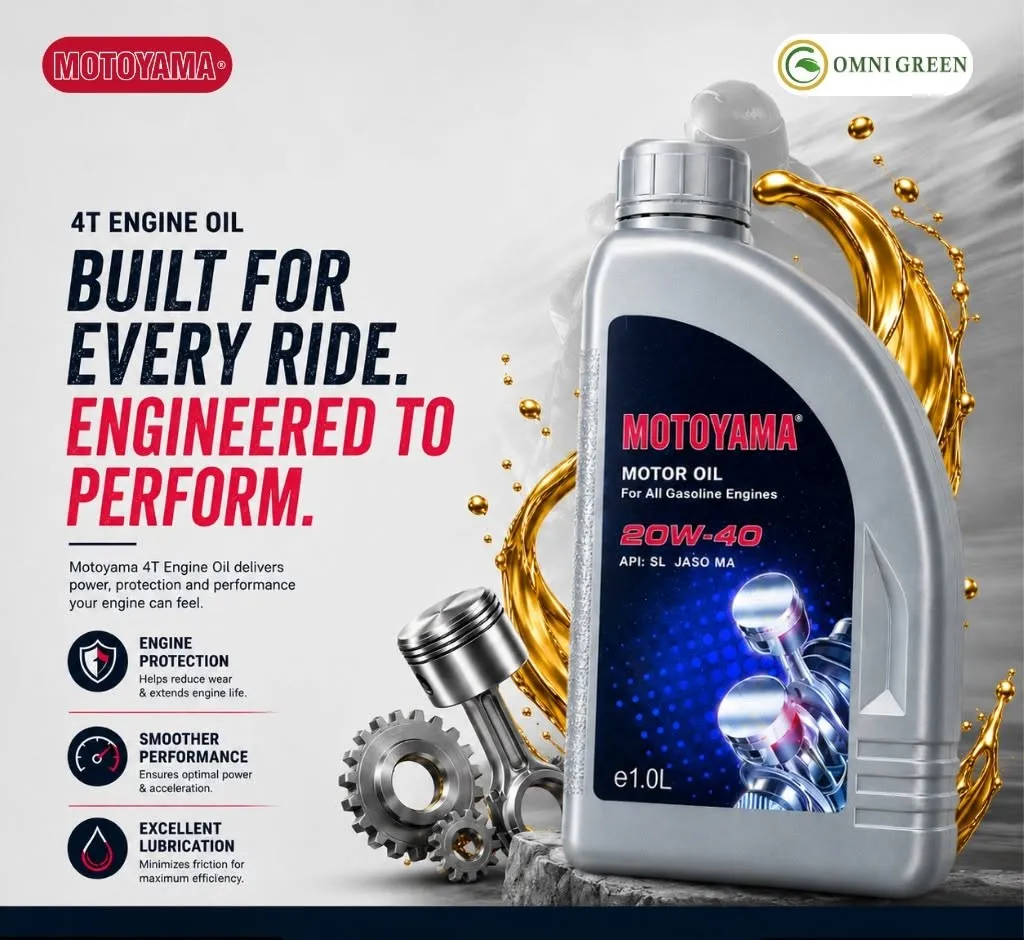
For four-stroke equipment such as generators, water pumps, motorcycles, and power tillers, Motoyama 4T Oil delivers reliable protection and performance under demanding conditions.
The best results come from matching the correct oil to the correct engine and following the manufacturer’s maintenance recommendations.
Final Thoughts
Engine oil is often called the lifeblood of an engine—and for good reason. Believing common myths can lead to unnecessary repairs, reduced efficiency, and shorter equipment life.
By understanding the facts and choosing quality products, equipment owners can maximize performance, minimize downtime, and protect their investment for years to come.
At Omni Green Solutions, we offer trusted lubrication solutions, including Motoyama 2T Oil, Motoyama 4T Oil, and Oregon 2T Oil, helping professionals and equipment owners keep their machines running at their best.