Brush cutter blade condition plays a crucial role in how effectively your brush cutter performs while maintaining gardens, farmlands, or landscaping areas. Even though brush cutters are powerful and reliable tools for clearing grass, weeds, and dense vegetation, their efficiency largely depends on the sharpness and quality of the blade. A worn-out blade can reduce cutting performance, put extra strain on the machine, and even create safety risks during operation.
If you regularly use brush cutters for clearing grass, weeds, or dense vegetation, knowing when to replace the blade is essential. Here are five clear signs that indicate it’s time to replace your brush cutter blade.
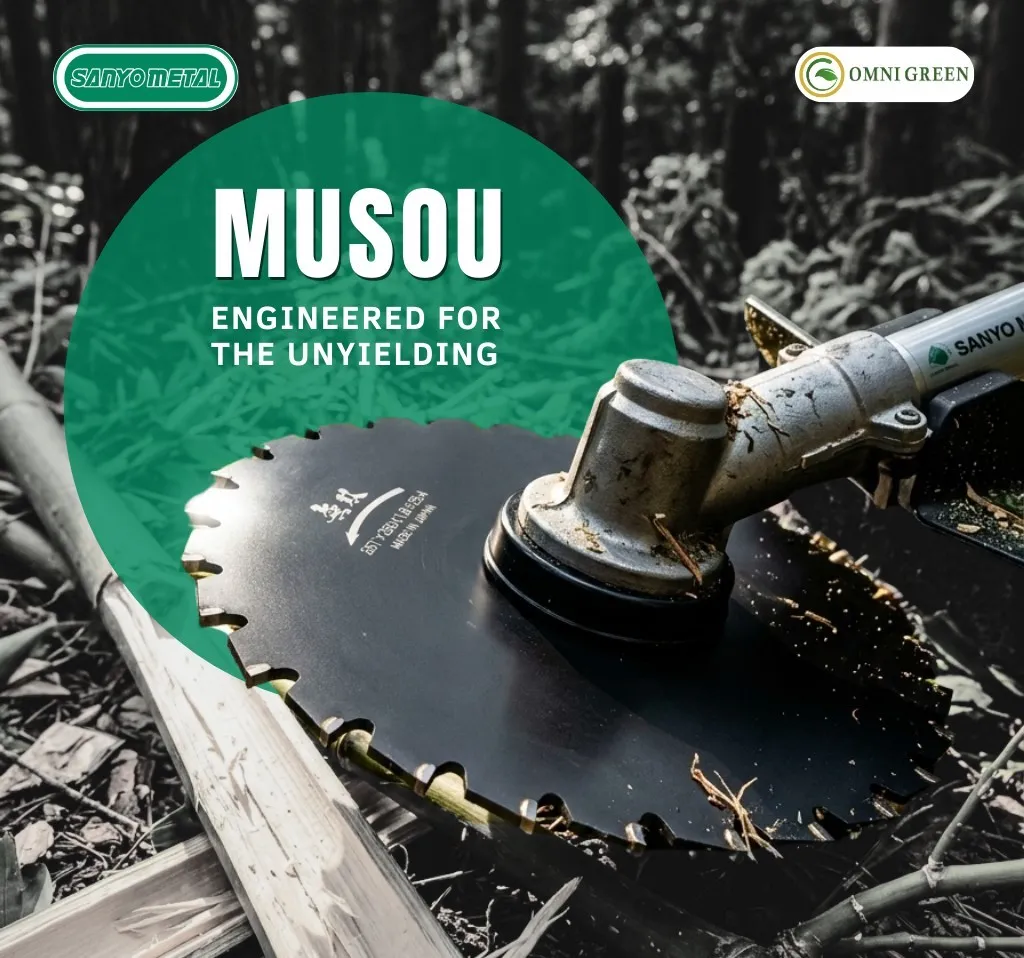
1. The Blade Has Become Dull
One of the most obvious signs that your brush cutter blade needs replacement is loss of sharpness.
A sharp blade slices through grass and thick weeds smoothly. But over time, constant contact with soil, stones, and hard stems causes the blade to lose its edge.
If you notice:
- The cutter struggling to cut grass
- Uneven trimming
- The need to repeatedly pass over the same area
it is a clear indication that the blade has become dull. While sharpening may work temporarily, severely worn blades should be replaced for optimal performance.
2. Visible Cracks or Damage
Brush cutter blades work at high speeds, which means any structural damage can be dangerous.
Inspect your blade regularly for:
- Cracks
- Chips
- Bent edges
- Missing teeth
Even a small crack can expand quickly when the blade rotates at high speed. Using a damaged blade increases the risk of breakage and accidents. Replacing the blade immediately ensures safe and reliable operation.
3. Excessive Vibration While Cutting
If your brush cutter starts vibrating more than usual during operation, the blade could be the problem.
This usually happens when:
- The blade becomes uneven or bent
- The blade is poorly balanced due to wear
- The blade teeth are damaged or uneven
Excessive vibration not only affects cutting accuracy but can also damage the brush cutter’s motor and components over time.
Replacing the blade helps restore smooth and stable operation.
4. Reduced Cutting Efficiency
A brush cutter should cut through grass and shrubs quickly and efficiently. If your machine suddenly feels less powerful, the blade might be worn out.
Signs of reduced efficiency include:
- Slower cutting speed
- Grass bending instead of cutting
- Thick weeds not clearing properly
When a blade becomes too worn, the machine has to work harder, which increases fuel consumption and reduces productivity.
5. Blade Has Worn Down Over Time
Even with proper maintenance, brush cutter blades have a limited lifespan.
Frequent use, especially in tough environments like:
- Rocky soil
- Thick shrubs
- Dense weeds
gradually wears down the blade material.
If the blade looks noticeably thinner, smaller, or uneven compared to its original shape, it’s time for a replacement.
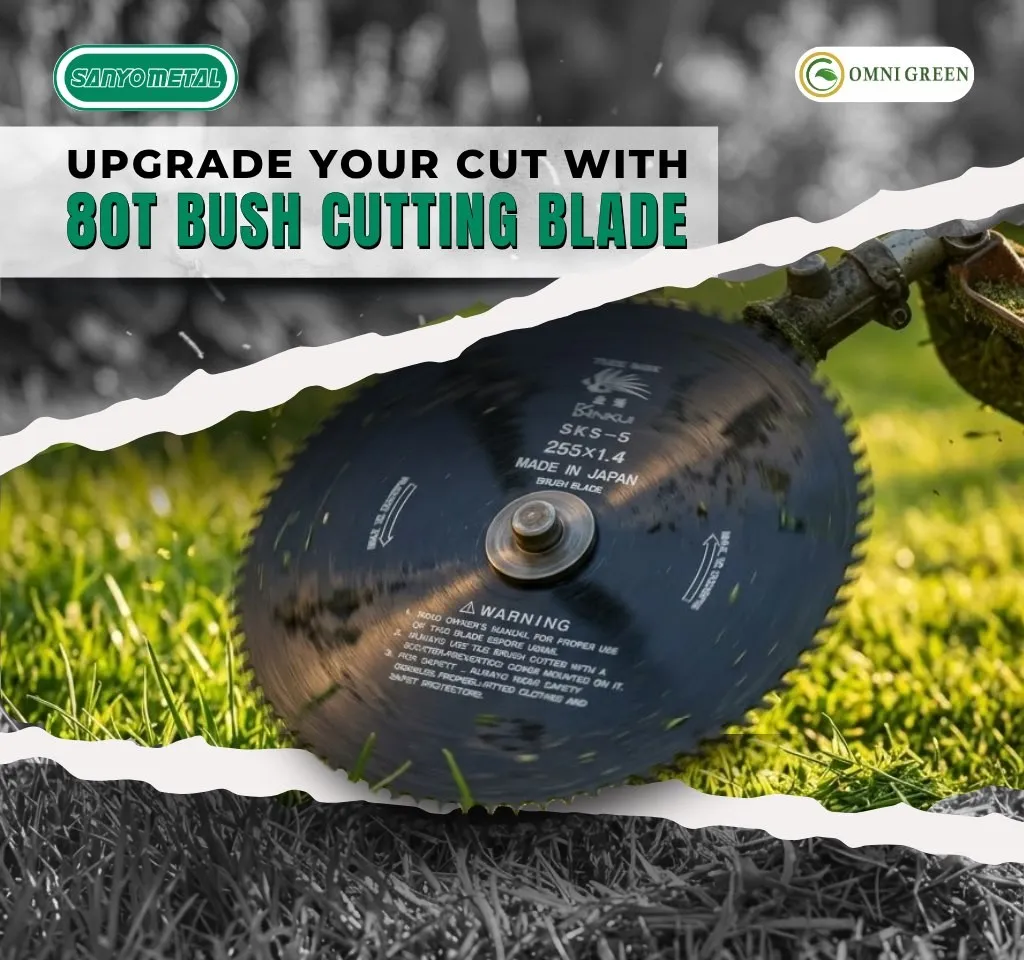
Why Choosing the Right Blade Matters
Replacing your blade with a high-quality, durable brush cutter blade ensures:
- Better cutting performance
- Increased safety
- Longer machine life
- Reduced strain on the engine
At Omni Green Solutions, we provide high-quality tools and equipment designed for agriculture, forestry, and landscaping professionals who demand reliability and performance.
Keep Your Brush Cutter Performing at Its Best
Your brush cutter is only as effective as the blade it uses. Regular inspection and timely replacement help maintain performance, improve safety, and extend the life of your equipment.
If you notice dull edges, cracks, vibrations, reduced cutting efficiency, or heavy wear, it’s time to replace your brush cutter blade and keep your work running smoothly.
Omni Green Solutions
Sustainable tools and equipment for gardening, forestry, and landscaping professionals.
#OmniGreenSolutions #BrushCutterBlade #GardeningTools #LandscapingTools #ForestryTools #AgricultureTools #GardenMaintenance #ProfessionalTools #GardenCare