The sprocket on your chainsaw is a small component that does heavy work. It drives the chain around the bar, absorbs the stress of every cut, and wears down faster than most operators expect. When it’s time to replace it — and it will need replacing — the type of sprocket you choose has a real impact on how your saw performs, how long your chain lasts, and what your maintenance routine looks like.
Two main types of chainsaw sprockets are found across the industry: rim sprockets and spur sprockets. Both do the same fundamental job. But they do it differently, and those differences matter in practice.
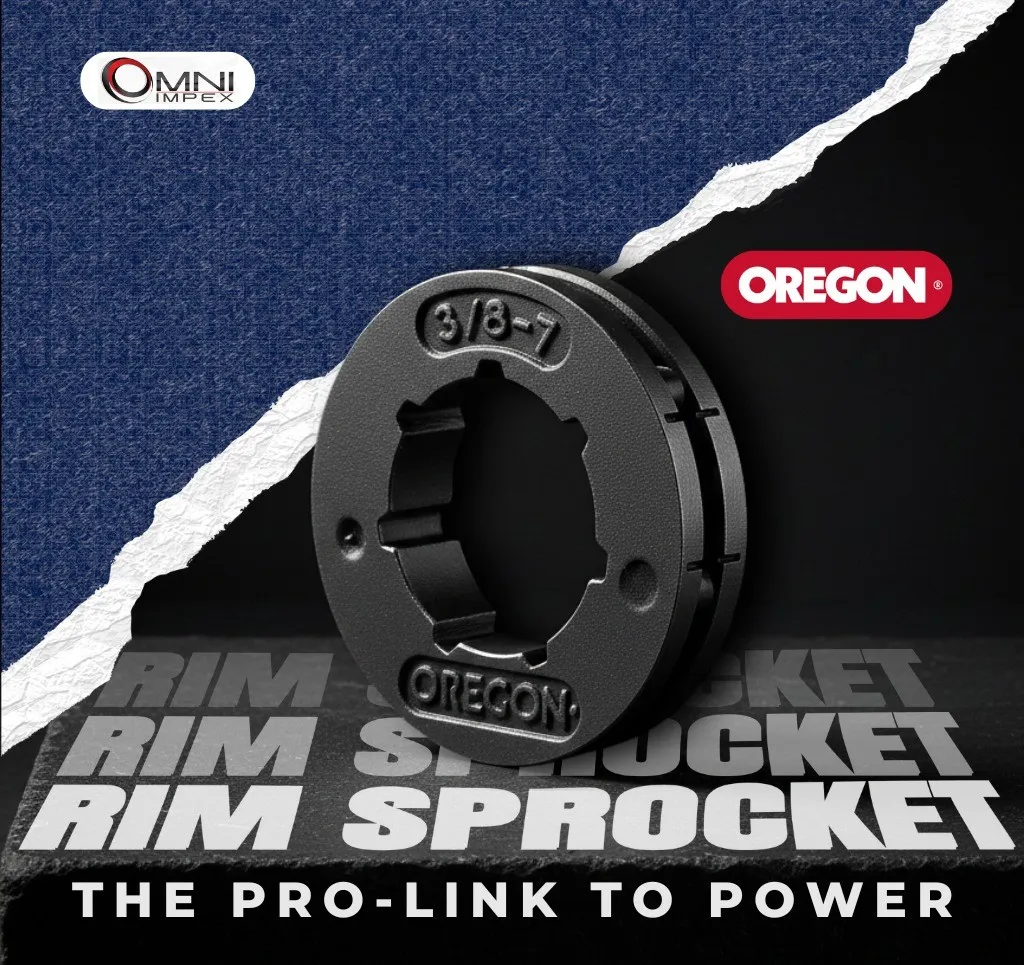
How Each Sprocket Type Is Built
A spur sprocket is a single-piece unit. The teeth that engage the chain drive links are machined directly into the body of the sprocket. The whole thing is one solid component, permanently attached to the drum assembly.
A rim sprocket works differently. It’s a two-part system: a fixed hub (the drum, attached to the clutch) and a separate floating rim that sits on top of it. The rim carries the teeth and can spin independently of the hub within a limited range. When you need to replace the sprocket, you replace only the rim — not the entire drum assembly.
This seemingly small structural difference is where most of the practical advantages of rim sprockets come from.
Chain Wear and Cutting Performance
One of the most consistent differences between the two types is how they affect chain wear. Because the rim can float slightly on the hub, it absorbs shock and vibration in a way that a rigidly fixed spur sprocket cannot. Chain engagement is smoother, which means less stress on the drive links, less heat build-up during operation, and a longer effective life for the chain.
For operators running their saws hard — felling, limbing, long cutting sessions — this matters. A chain that wears evenly and more slowly means fewer replacements, better cutting consistency, and less time stopping to inspect or swap chain.
Maintenance and Replacement Cost
Sprockets wear out. This is expected, not a sign of a problem. The general guidance across saw manufacturers is to replace the sprocket after every two to three chain replacements — or sooner if wear indicators show it’s past usable depth. A worn sprocket running with a new chain is one of the more common causes of premature chain failure.
With a spur sprocket, replacement means removing the entire drum assembly. It’s more work, and the part itself is a more substantial component.
With a rim sprocket, you replace only the rim. The hub stays in place. The replacement part is smaller, typically less expensive, and the swap is faster. For commercial operators or anyone running multiple saws with high weekly hours, this adds up to real time and cost savings over a season.
Debris Clearance in Field Conditions
Chainsaw work generates a constant stream of sawdust, wood chips, and debris. This material finds its way into every gap in the drive system and, if it accumulates around the sprocket, accelerates wear and can cause uneven chain engagement.
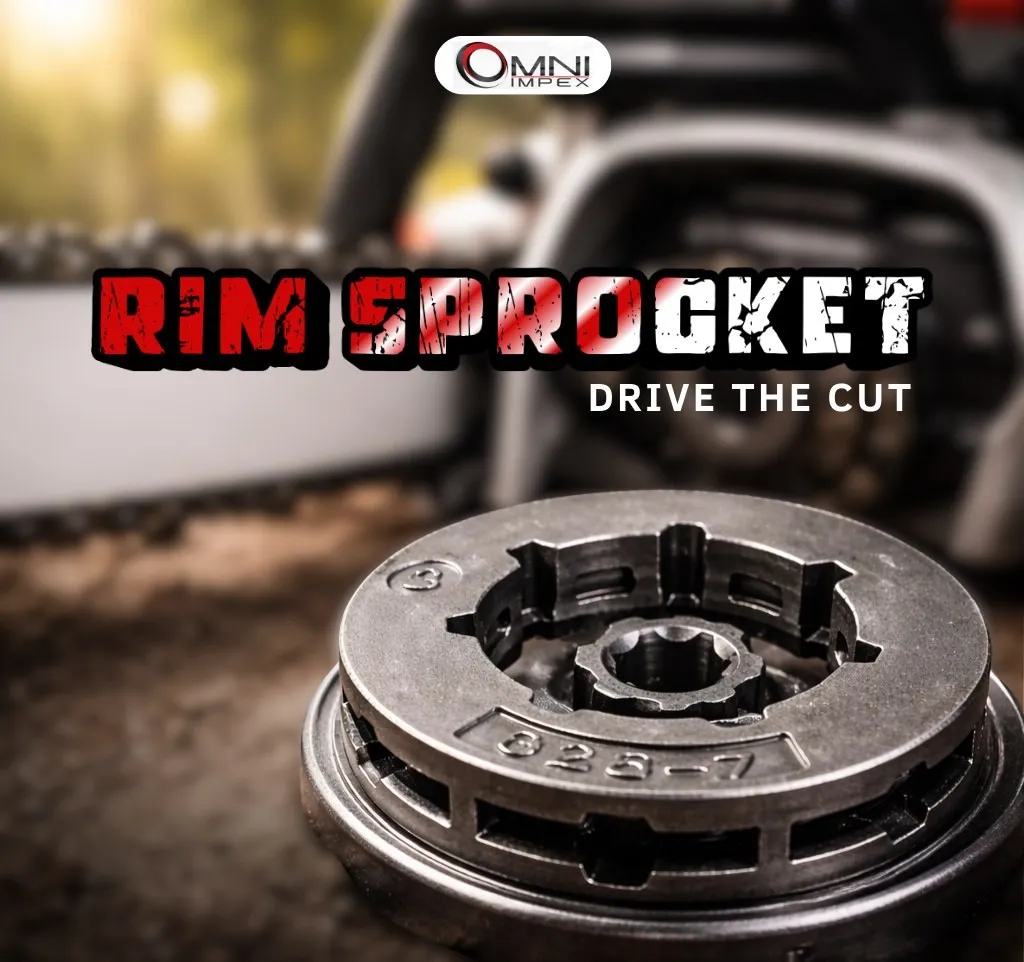
Many rim sprocket designs include radial ports built into the rim itself. As the sprocket rotates, centrifugal force throws debris outward and away from the hub. It’s a passive self-cleaning mechanism that reduces the frequency of manual cleaning and keeps the drive system running more consistently between maintenance intervals.
Where Spur Sprockets Still Have a Place
To be fair to both types: spur sprockets are not without merit. They are robustly built, handle high-torque applications well, and are commonly found on certain smaller or older saw models where the design is baked into the original specification. If a saw ships with a spur sprocket and the manufacturer recommends it, that recommendation exists for a reason.
That said, for most modern professional and semi-professional chainsaws, rim sprockets have become the standard precisely because of the performance, serviceability, and cost advantages outlined above.
The Practical Takeaway
When comparing rim sprockets and spur sprockets for everyday chainsaw use, the rim design wins on most practical counts: smoother chain engagement, lower chain wear, easier and cheaper sprocket replacement, and better debris handling in demanding field conditions.
The best approach is still to match the sprocket to your saw’s specification — check your pitch and spline type before ordering. But if your saw supports rim sprockets, the case for running them is straightforward.
Omni Green Solutions stocks rim sprockets compatible with leading chainsaw brands including Stihl, Husqvarna, and Echo — available in .325″, 3/8″, and .404″ pitch configurations. Not sure which one fits your saw? Get in touch with our team and we’ll sort it out.